
Every garment you own carries a small instruction manual sewn into a seam, and most people never read it. Clothing labels tell you what a garment is made of, how to wash it, and where it was made, and that information can save you from shrinking a sweater, fading a dress, or ruining a jacket. Learning to read labels takes only a few minutes, and it pays off every time you do laundry. The symbols look confusing at first, but they follow a logical system, and once you know the basics, you can decode any label in seconds.
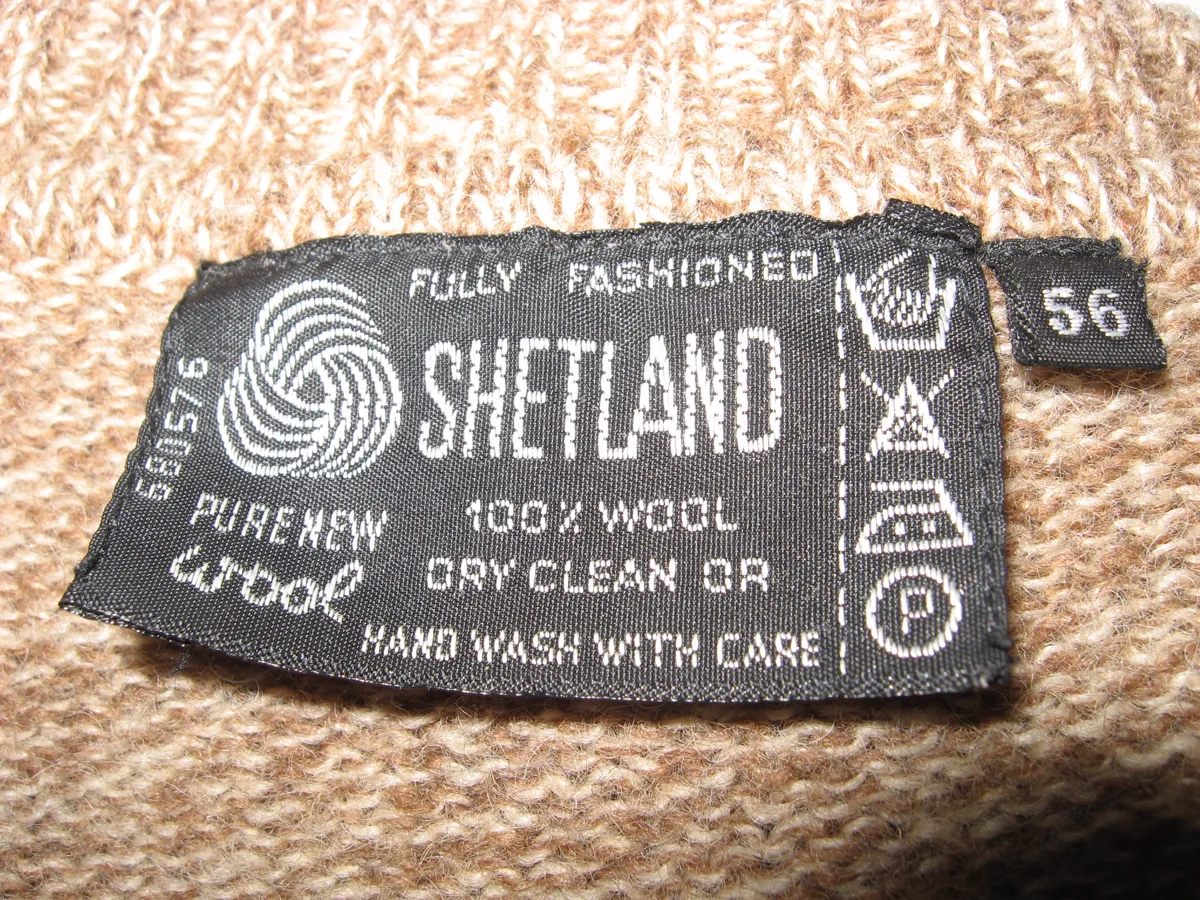
The Five Care Symbols
Care labels use five basic symbols, and each one covers a different part of garment care. A tub of water stands for washing, a triangle stands for bleaching, a square stands for drying, an iron stands for ironing, and a circle stands for dry cleaning. Each symbol is modified with dots, lines, and crosses to give more detail. A cross through a symbol means do not do that action. Dots inside a symbol indicate temperature:
- One dot is cool
- Two dots are warm
- Three dots are hot
Once you know these five shapes, you can read most of the label.
The washing symbol, the tub, often has a number inside it, which is the maximum water temperature in Celsius. A line under the tub means use a gentle cycle, and two lines mean use a very gentle or delicate cycle. A hand reaching into the tub means hand wash only. These details matter because a garment that needs a gentle cycle can be damaged by a normal cycle, and a garment that needs cool water can shrink in hot water. Taking ten seconds to read the tub symbol before washing can save a favorite piece.
Bleaching, Drying, and Ironing
The triangle tells you about bleach. An empty triangle means any bleach is safe, a triangle with diagonal lines means use only non-chlorine bleach, and a crossed-out triangle means do not bleach at all. Most colored garments fall into the last two categories, so do not assume bleach is safe just because a garment is white. The square, which covers drying, is the most detailed symbol. A circle inside the square means tumble drying is allowed, and dots inside the circle indicate heat level. A line inside the square means line dry, and a square with a curved top means drip dry.
The iron symbol is simpler. Dots inside the iron indicate temperature, and a cross means do not iron. A crossed-out iron with steam lines means do not steam. The circle for dry cleaning may contain a letter, which tells the cleaner which solvent to use, but for most people the important part is whether the circle is crossed out. If it is, the garment should not be dry cleaned. When in doubt, follow the most cautious instruction on the label, since it is better to hand wash a garment that could have gone in the machine than to machine wash a garment that needed hand washing.
Fabric Content and Origin
The fabric content section tells you what the garment is made of, usually as percentages. A label that says one hundred percent cotton is straightforward, while a blend like sixty percent wool and forty percent polyester tells you the garment has some of the qualities of both fibers. Natural fibers like wool, silk, and cotton generally need gentler care than synthetics, and they are more sensitive to heat. Knowing the fabric content helps you predict how a garment will behave in the wash, how it will feel to wear, and how long it will last.
The country of origin is also on the label, and while it does not tell you how to care for the garment, it can give you a clue about quality. Countries with long textile traditions often produce well-made garments, but the real quality signals are the fabric and the construction, not the origin. Size information varies by country, so a garment sized in one system may fit differently from what you expect. When buying online, check the size chart rather than assuming the label size matches your usual size.
Putting Label Knowledge to Work
Reading labels becomes useful when it changes what you do. Sort your laundry by care instructions, not just by color. Wash delicate items together on a gentle cycle, and keep garments that need hand washing out of the machine. If a label says dry clean only, do not try to wash it at home, since water can damage the fabric or the construction. If a label says do not tumble dry, hang the garment or lay it flat instead.
Labels also help you shop smarter. A garment with a complicated care label may cost more to maintain over its life, while a garment with simple care instructions is easier to live with. When you are choosing between two similar pieces, pick the one with the care routine you will actually follow. The best garment is the one you can keep looking good without a struggle, and the label tells you exactly what that will take.
Clothing labels are not decoration. They are instructions from the people who made your clothes, and reading them takes seconds. Learn the five care symbols, check the fabric content, and follow the most cautious instruction when you are unsure. Your clothes will last longer, look better, and cost less to maintain, all because you took a moment to read the label.
Enjoyed this? Accessorizing Monochrome Looks: Master the Art of Single-Tone Style picks up right where this leaves off.
Related Articles:
- Accessorizing Monochrome Looks: Master the Art of Single-Tone Style
- Bold Patterns: How to Wear Them with Confidence
- Wearing Gold Jewelry with Winter Outfits: A Style Guide
Would you wear this look?
Tell us in the comments how you would style it your way.
Share this with a friend whose style you admire.