
Sunglasses are one of the few accessories that must fit your face, not just your outfit. A pair that looks great on a friend can look wrong on you, and the reason is usually face shape. The right frame balances your features. The wrong frame exaggerates them. A round face in round frames looks rounder. A square face in square frames looks harder. The fix is simple: choose frames that contrast with your face shape. Once you know your shape, shopping becomes much faster, and you stop buying sunglasses that sit in a drawer.
Start by finding your face shape. Pull your hair back, look in a mirror, and trace the outline of your face on the mirror with a bar of soap or a dry-erase marker. Step back and look at the shape. A round face is about as wide as it is long, with soft curves. An oval face is longer than it is wide, with a gently rounded jaw. A square face has a broad forehead and a strong, angular jaw. A heart-shaped face has a wide forehead and a narrow chin. A diamond face has high cheekbones and a narrow forehead and chin. Most faces are a mix, so pick the shape that fits best.
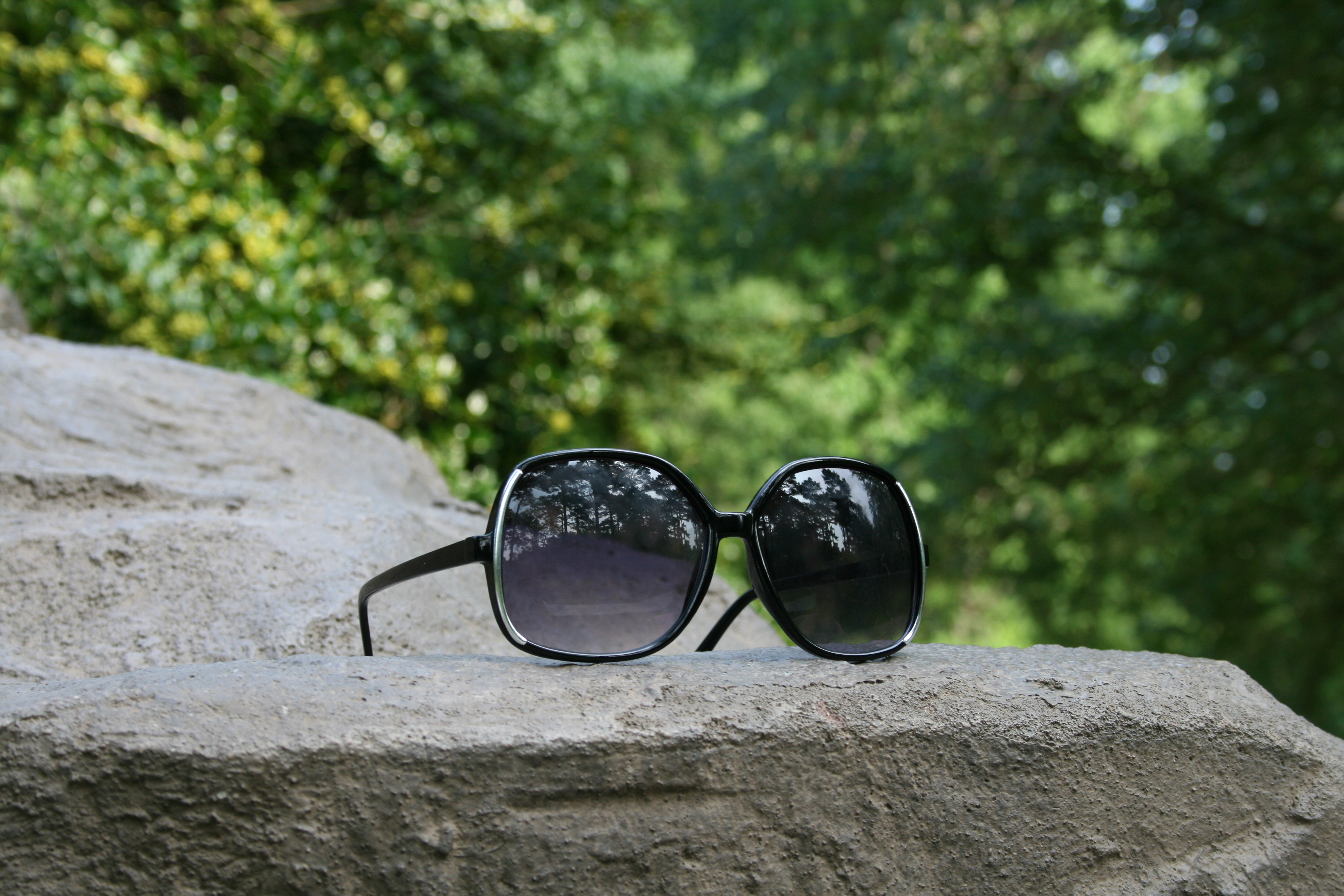
Round Faces Need Angles
If your face is round, choose frames with angles. Rectangular, square, and geometric frames add structure and make the face look longer and slimmer. Avoid round and oval frames, because they repeat the shape of your face and make it look rounder. Dark frames help, because they create a clear outline against the skin. A frame that is wider than the widest part of your face also helps, because it draws the eye outward. Look for frames with a strong brow line, which adds definition to the upper face.
Fit matters as much as shape. The frames should sit comfortably on your nose without sliding, and the temples should rest lightly on your ears without pinching. The lenses should cover your eyes fully when you look straight ahead. If you can see your eyebrows above the frames, the frames are too small. If the frames touch your cheeks when you smile, they are too large or sit too low. A good fit keeps the sunglasses in place when you move your head. Adjust the nose pads or temple arms at the shop before you buy.
Oval Faces Can Wear Almost Anything
An oval face is the most versatile shape. It suits rectangular, round, square, and aviator frames. The main rule is proportion. Choose frames that are about as wide as your face, not much wider and not much narrower. Oversized frames work if you like the look, but they should not cover your whole face. Small frames can look neat and sharp. Because an oval face has balanced proportions, the frame style matters more than the frame shape. Pick frames that match your personal style, and they will usually look right.
Even with a versatile face, a few checks help. Make sure the top of the frames follows your brow line. Frames that sit far above or below the brows look disconnected. Check the side view too. Frames that stick out far past your temples look too big from the side, even if they look fine from the front. If you wear prescription glasses, bring your prescription when you shop. Sunglasses with prescription lenses take longer to make, so try the frames with your normal glasses prescription in mind. A frame that works for both sun and prescription use is a practical choice.
Square and Heart-Shaped Faces
A square face needs curves to soften the angles. Round and oval frames work well, because they contrast with the strong jaw and broad forehead. Thin frames and rimless styles also help, because they do not add more hard lines. Avoid square and rectangular frames, which repeat the face shape and make it look boxier. A frame with a rounded bottom edge is especially flattering. Lighter colors soften the look further. The goal is to add gentle curves to a face that already has strong lines.
A heart-shaped face has the opposite need. The forehead is wide and the chin is narrow, so the goal is to balance the lower face. Frames that are wider at the bottom, such as aviators or rimless styles, add width near the jaw. Light, thin frames work better than heavy, dark ones, because heavy frames emphasize the forehead. Avoid frames that are much wider than your forehead, and avoid top-heavy designs with thick upper rims. A delicate frame keeps the focus balanced across the whole face instead of crowding the top.
Check the Details Before You Buy
Lens quality matters as much as frame shape. Choose lenses with full UV protection, labeled UV400 or 100 percent UVA and UVB protection. Dark lenses without UV protection are worse than no sunglasses, because they make your pupils open wider while letting harmful rays through. Polarized lenses cut glare from water, roads, and snow, which helps for driving and outdoor sports. They are not necessary for everyday wear, but they are a real comfort upgrade. Gray lenses keep colors true. Brown lenses add contrast. Green lenses are a good middle ground.
Before you pay, do three checks. First, look in the mirror from the front and the side. The frames should feel balanced and sit level. Second, shake your head gently. The sunglasses should stay put without pinching. Third, look at a straight line, such as a door frame, through the lenses. The line should stay straight. If it bends, the lenses are distorted, and you should choose a different pair. Keep the receipt and the case. Good sunglasses last for years if you store them in a hard case and clean them with a microfiber cloth instead of your shirt.
This topic connects to more than you might expect — follow it further with the guides below, led by How to Pick Leather Gloves That Fit Like a Second Skin.
Related Articles:
- How to Pick Leather Gloves That Fit Like a Second Skin
- How to Pick Sunglasses for a Heart-Shaped Face
- How to Choose Earrings That Flatter a Short Haircut
Would you wear this look?
Tell us in the comments how you would style it your way.
Share this with a friend whose style you admire.