
A sustainable wardrobe is not about buying expensive eco-brands. It is about buying fewer clothes, keeping them longer, and choosing pieces that do not fall apart after ten washes. Most people can make their wardrobe far more sustainable without spending more money, simply by changing how they buy and how they care for what they own.
The fashion industry produces far more clothes than anyone needs, and most of them are worn only a few times. The most sustainable item is the one you already own. The second most sustainable is the one you buy secondhand. New clothes come third, and only when they fill a real gap. That order is the whole strategy.
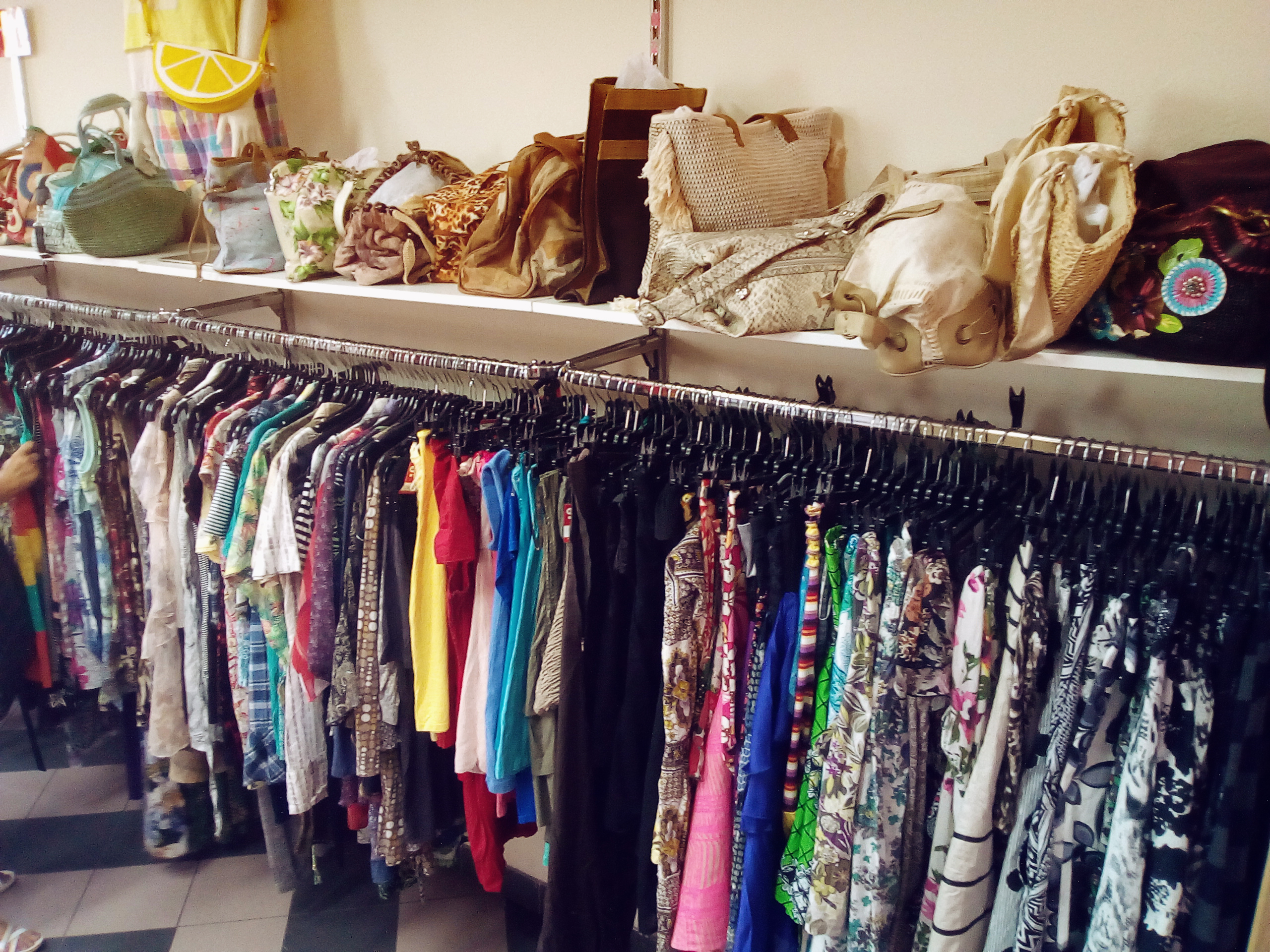
Start With What You Already Own
Before you buy anything, audit your closet. Pull everything out and sort it into three piles: wear often, wear sometimes, and never wear. The never-wear pile is the lesson. Look for patterns. If you never wear bright colors, stop buying them. If you never wear dry-clean-only clothes, stop buying them. The audit tells you what not to buy next.
Repair what you have before you replace it. A missing button, a loose hem, and a small hole are ten-minute fixes. A good tailor can fix a broken zipper, take in a waist, and shorten a hem for less than the cost of a new item. Repaired clothes fit you better than new ones, because they are already broken in.
Learn three basic care skills: how to wash cold, how to air dry, and how to store knitwear folded. Cold water protects colors and uses less energy. Air drying protects elastic and shape. Folding knits prevents stretched shoulders. These habits extend the life of every item you own.
Buy Less, Buy Better
When you do buy new, buy the best version you can afford of a piece you will wear often. A well-made coat, a good pair of jeans, and solid shoes are worth more than a closet of cheap extras. Check the seams, the fabric, and the stitching before you pay. Seams should be straight and tight. Fabric should feel dense, not thin and see-through. Stitching should be even, with no loose threads.
Read the label. Natural fibers like cotton, wool, linen, and silk last longer and age better than most synthetics. Recycled fibers are a good option when they exist. Avoid ultra-cheap blends that pill after two washes. A fabric that pills looks old fast, and old-looking clothes get thrown away fast.
Wait before you buy. Put the item back, leave the store, and wait 48 hours. If you still want it and you can name three outfits it fits into, buy it. If you forgot about it, you did not need it. This rule alone cuts impulse buying in half for most people.
- Wear what you own first, repair before replacing
- Buy secondhand before buying new
- Buy the best version of pieces you wear often
- Wait 48 hours before any non-essential purchase
Shop Secondhand With a Plan
Secondhand shopping works best with a list. Know what gap you are filling before you walk in. A list keeps you from buying a second leather jacket when what you needed was a white shirt. Thrift stores reward patience, not impulse. Visit often, buy rarely, and only buy what fits your plan.
Check secondhand items carefully. Look at the armpits, the crotch, the elbows, and the cuffs, which wear out first. Smell the item. Check the zippers and buttons. A secondhand item in great condition is a better buy than a new item in poor condition, and it costs a fraction of the price.
Try online secondhand shops too. Many let you filter by size, brand, and fabric, which saves time. Read the measurements, not just the size label. A medium from one brand is a large from another. Measurements do not lie.
Make Clothes Last Longer
Wash less often. Most clothes do not need washing after one wear. Jeans can go many wears between washes. Sweaters can be aired out. Spot-clean stains instead of washing the whole garment. Every wash wears fabric down a little, so fewer washes mean longer life.
Store clothes properly. Hang structured items like blazers and coats. Fold knits and heavy items. Keep clothes in a cool, dry place away from direct sunlight, which fades colors. Cedar blocks or lavender bags keep moths away without chemicals.
When an item finally reaches the end of its life, do not throw it in the trash. Cut it into cleaning rags, donate it for textile recycling, or use it for a craft project. A shirt that is too worn to wear still has years of life as a rag. Nothing in a sustainable wardrobe goes straight to landfill if you can help it.
A sustainable wardrobe is a habit, not a shopping list. Wear what you own, repair what breaks, buy secondhand first, and buy new only with a plan. Your closet gets smaller, your clothes get better, and your spending drops. Review your wardrobe once a season and repeat the audit. Small, steady habits beat one big cleanup. That is a result worth dressing for. Start this weekend with the closet audit.