
Your thirties are a turning point for style. The trends you followed in your twenties may not feel right anymore, your body has changed, and your life probably looks different too. Many people reach their thirties and realize their closet is full of clothes that no longer fit who they are. Finding your personal style in your thirties is not about starting over. It is about editing what you have, understanding what works for you now, and building a wardrobe that feels like the person you actually are.
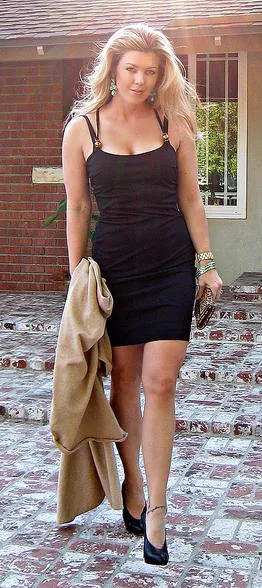
Take Stock of What You Have
Before you buy anything, take stock of what you already own. Pull everything out of your closet and sort it into three groups: pieces you love and wear often, pieces you keep but rarely wear, and pieces you never wear. The first group tells you what your style already is. The second group tells you where you are stuck. The third group is clutter, and it should go. Be honest. A piece you have not worn in a year is not part of your style, no matter how much you paid for it.
Look for patterns in the pieces you love. Do they share colors, fabrics, or silhouettes? Do you gravitate toward structured pieces or relaxed ones? Do you prefer neutrals or color? These patterns are the foundation of your personal style. You do not need to invent a style from scratch. You need to notice the style you already have and build on it.
Pay attention to fit as well. Bodies change in their thirties, and clothes that fit at twenty-five may not fit the same way at thirty-five. A piece that no longer fits is not a failure. It is information. Let go of clothes that fight your body now, and keep the ones that work with it. Your style should fit the body you have, not the body you had.
Define What Matters to You Now
Your thirties usually bring a clearer sense of what matters. You may care more about quality than quantity, more about comfort than trendiness, and more about how clothes make you feel than how they make you look to others. Use that clarity. Decide what you want your clothes to do for you. Do you want to look professional? Creative? Relaxed? Polished? There is no wrong answer, but you need an answer, since it will guide every purchase.
Think about your daily life. What do you actually do most days? Your wardrobe should serve your real life, not an imaginary one. If you work in an office, you need office clothes. If you work from home, you need clothes that feel good for long days at a desk. If you have young kids, you need clothes that survive playgrounds. A personal style that does not fit your life is not personal. It is a costume.
Consider your budget and your values. In your thirties, many people shift from buying lots of cheap clothes to buying fewer, better pieces. If sustainability matters to you, that will shape where you shop. If you prefer to invest in a few excellent pieces, that will shape what you buy. Your style should reflect your values, not just your taste.
Build a Wardrobe Around What Works
Once you know what works, build around it. Start with the pieces you love and wear most, and fill the gaps. If you love tailored trousers but have no good tops, buy tops. If you have great shoes but no bag, buy a bag. Resist the urge to buy a whole new wardrobe at once. A personal style is built piece by piece, not in a single shopping trip.
Invest in fit and quality where it matters most. A well-fitting blazer, a good pair of trousers, and quality shoes will do more for your style than a closet full of trendy pieces. A tailor is worth the money. Hemming, taking in, and adjusting a garment to fit your body will make it look more expensive than it is. Fit is the difference between clothes that look like yours and clothes that look like you borrowed them.
Keep a short list of your style rules. For example: I wear mostly neutrals with one accent color. I prefer natural fabrics. I buy quality over quantity. I do not wear anything I have to adjust all day. These rules make shopping faster and keep you from buying pieces that do not fit your style. Write them down and check new purchases against them.
Let Your Style Evolve
Finding your personal style is not a one-time project. Your style will keep evolving through your thirties and beyond, and that is a good thing. Review your wardrobe once or twice a year and ask whether it still feels like you. Remove what no longer fits, and add pieces that reflect who you are becoming. A personal style is a living thing, not a fixed uniform.
Finally, wear your style with confidence. The best-dressed people in their thirties are not the ones with the most expensive clothes. They are the ones whose clothes look like them. When your wardrobe reflects who you actually are, getting dressed stops being a chore and starts being a pleasure.
Questions this article did not answer? Chances are Tips for Pairing Printed Tops with Basics: A Styling Guide or one of the guides below covers it.
Reference: Thirties — Wikipedia
Related Articles:
- Tips for Pairing Printed Tops with Basics: A Styling Guide
- How to Style Outfits Using Color Pops: A Guide to Vibrant Fashion
- Mix and Match Outfits: Effortless Everyday Style
Would you wear this look?
Tell us in the comments how you would style it your way.
Share this with a friend whose style you admire.