
Most closets are organized by item:
- All the shirts together
- All the trousers together
- All the dresses together
That system makes sense for storage, but it is terrible for getting dressed. When you stand in front of your closet in the morning, you are not looking for a shirt. You are looking for an outfit. Organizing your closet by outfit instead of by item changes how you get dressed. It makes mornings faster, reduces decision fatigue, and helps you actually wear more of what you own.
Organizing by outfit does not mean you need a bigger closet or a new system. It means rearranging what you have so that complete outfits hang together. Here is how to do it step by step.
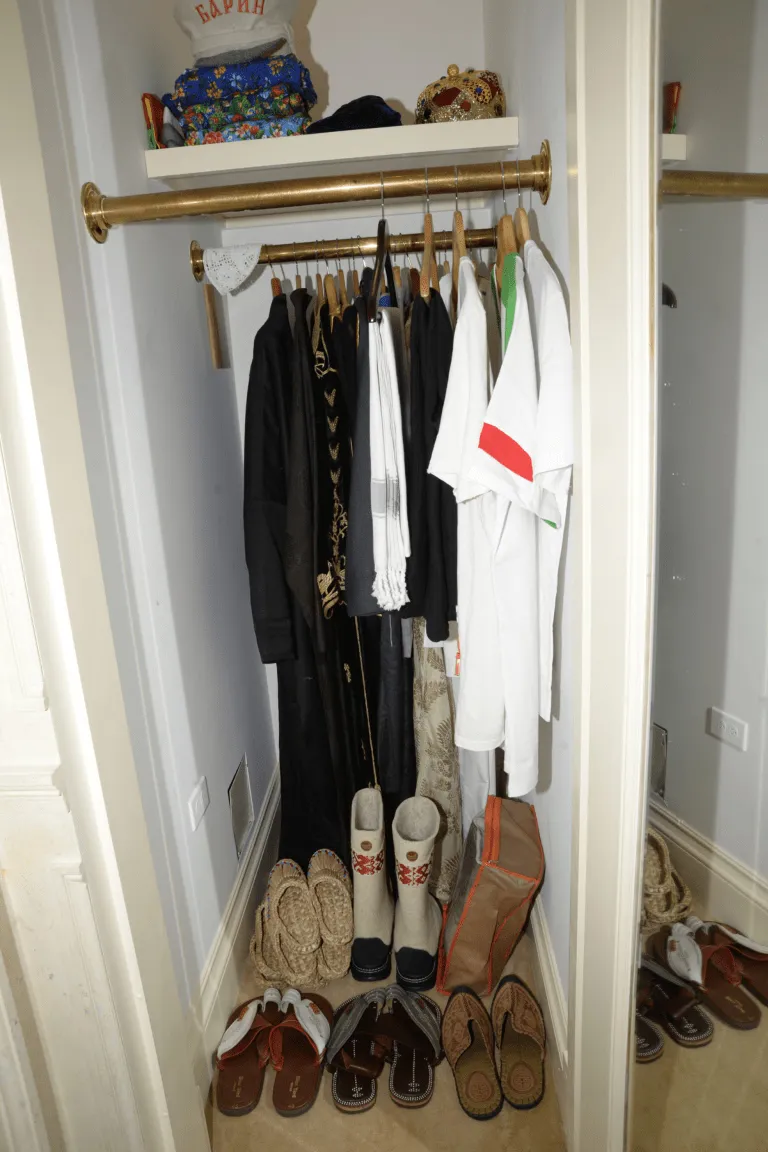
Start by Building Your Go To Outfits
Before you move anything, build your go to outfits. These are the complete outfits you actually wear: top, bottom, layer, shoes, and accessories. Aim for ten to fifteen outfits that cover your real life: work outfits, casual outfits, evening outfits, and weekend outfits. Lay each outfit out on your bed and photograph it. The photos become your reference library and make it easy to remember combinations.
As you build outfits, you will notice which pieces work in multiple outfits and which pieces only work in one. The multi outfit pieces are your core. The single outfit pieces are fine, but they should not dominate your closet. If a piece does not fit into any outfit, it is a candidate to donate or store separately. Building outfits first ensures that your closet organization reflects how you actually dress, not how a storage guide says you should.
Group Outfits Together in the Closet
Once you have your outfits, hang them together. Instead of grouping all shirts together, hang each outfit as a unit. Put the top, the bottom, and the layer on one hanger or on adjacent hangers. Keep the shoes and accessories for that outfit nearby if you have space. When you open your closet, you should see outfits, not categories.
If hanging full outfits together feels too rigid, use a middle ground. Group your closet into zones by occasion: work outfits in one section, casual outfits in another, evening outfits in a third. Within each zone, hang outfits together. This keeps the flexibility to mix and match while still making it easy to grab a complete outfit. Use dividers or labels to mark the zones so the system stays clear.
Keep a Small Rotation at the Front
Even with outfits organized, most people wear a small rotation most of the time. Make that rotation easy to reach. Keep your five to seven most worn outfits at the front of the closet, at eye level, where you can grab them without thinking. The rest can sit further back. This simple step saves time every morning because your best outfits are always within reach.
Rotate the front section seasonally or monthly. When the weather changes, move the appropriate outfits forward. When you buy something new, build an outfit around it immediately and put it in the front rotation. If a new piece does not make it into an outfit, it will sit unworn. The front rotation is a reminder that every piece in your closet should earn its place by being part of an outfit you actually wear.
Maintain the System With a Weekly Reset
Any organization system will drift if you do not maintain it. Set aside ten minutes once a week to reset your closet. Put away anything that has migrated, rehang outfits that got separated, and return shoes and accessories to their places. A weekly reset keeps the system working without a big overhaul. It is much easier than reorganizing your whole closet every few months.
When you do laundry, hang clothes back in outfit groups rather than by category. This is the habit that makes the system stick. It takes a few extra seconds, but it preserves the organization. Over time, organizing by outfit becomes automatic, and getting dressed becomes faster and less stressful. You will wear more of your wardrobe, waste less time deciding, and start each day feeling put together.
Organizing your closet by outfit instead of by item is a small change with a big payoff. Build your go to outfits, hang them together, keep a rotation at the front, and maintain it with a weekly reset. Your mornings will thank you.
If You Share a Closet
If you share a closet with a partner, organizing by outfit has an extra benefit. It makes it obvious which space is yours and which is theirs, and it prevents outfits from getting mixed up. Use separate sections or separate rods for each person, and keep each person’s outfits together. A shared closet works best when both people can see their own outfits clearly without digging through each other’s clothes.
One more benefit of organizing by outfit is that it makes packing for trips much easier. Instead of packing individual items and hoping they combine, you can pack complete outfits. You will pack less, wear everything you bring, and never stand in a hotel room wondering what goes with what.
One more closet tip: use matching hangers. Matching hangers make your closet look neater and keep clothes hanging evenly. Thin velvet hangers save space and stop clothes from slipping off. It is a small change that makes a visible difference.
Do not stop here. More Wardrobe ideas are waiting below, beginning with Build a Stylish Wardrobe with Thrifted Pieces.
Related Articles:
- Build a Stylish Wardrobe with Thrifted Pieces
- Outfit Matching: Shoes & Accessories Guide
- Building a Wardrobe: A Slow and Sustainable Approach
Would you wear this look?
Tell us in the comments how you would style it your way.
Share this with a friend whose style you admire.