
Down jacket shopping is full of numbers:
- Fill power
- Fill weight
- Temperature ratings
- Waterproof scores
The numbers matter, but they are easy to misread, and a jacket that looks warm on paper can leave you shivering on a real winter day. The two numbers that decide warmth are fill power and fill weight, and they work together: fill power measures the quality of the down, while fill weight measures how much of it is in the jacket. A jacket with high fill power but very little fill is a light jacket for mild cold, while a jacket with lower fill power and generous fill can be far warmer. Understanding this pair is the key to buying the right jacket for your winter.
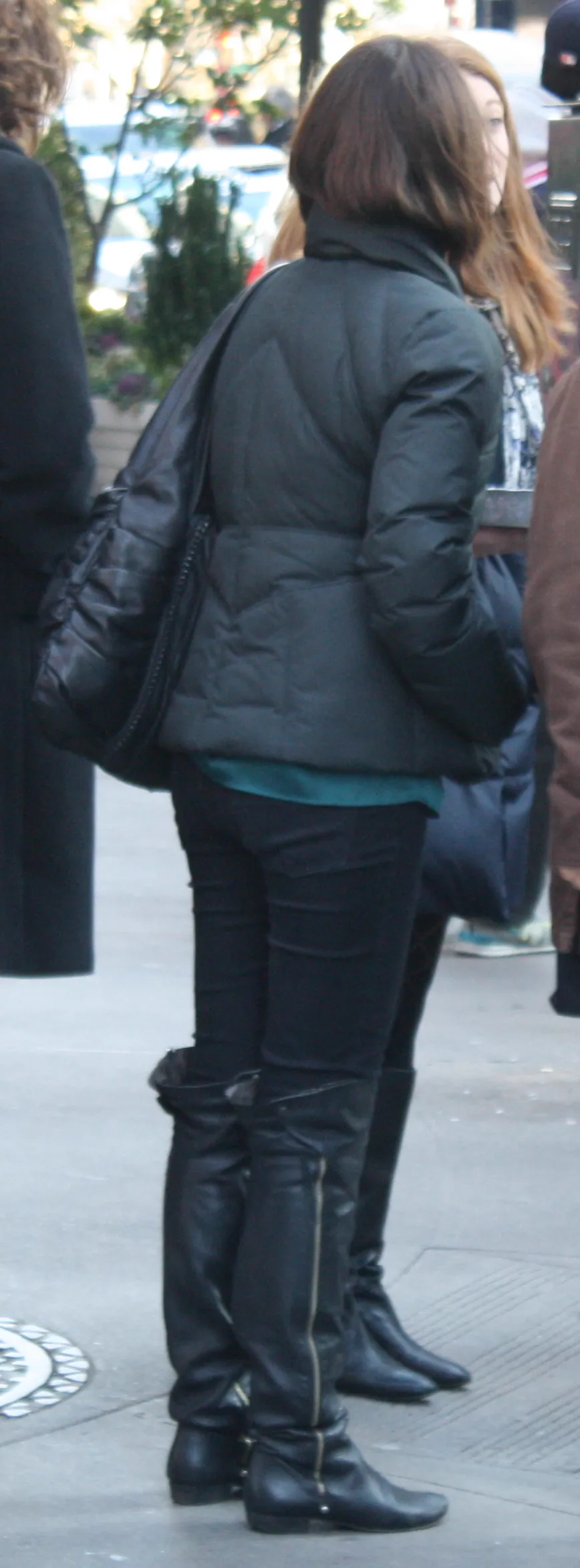
Understand Fill Power and Fill Weight
Fill power measures how much space one ounce of down occupies when it is fully lofted. Higher fill power means the down clusters are larger and trap more air, so the jacket insulates better per ounce. Common ratings run from 550 to 900. A 550 fill jacket is serviceable and affordable, a 700 fill jacket is a good mid-range choice, and 800 or 900 fill is premium down that packs small and insulates well. Fill power tells you about efficiency, not about total warmth. A jacket with 900 fill power and only three ounces of fill is a light layer, not a deep-winter coat.
Fill weight tells you how much down is actually in the jacket, and it is the number that decides how warm the jacket is. A jacket with six ounces of 700 fill down is warmer than a jacket with three ounces of 900 fill down, even though the second jacket has better down. Unfortunately, many brands do not print fill weight on the label, and some print only the total weight of the jacket, which includes fabric, zippers, and trims. When fill weight is missing, compare the jacket’s loft: a thicker, puffier jacket usually contains more down. If you are buying online, look for fill weight in the specifications, and be skeptical of jackets that advertise a big fill power number without saying how much down is inside.
Match the Jacket to Your Winter
The right jacket depends on the cold you actually face. For city winters that hover around freezing, a midweight down jacket with 150 to 250 grams of fill is usually enough over a sweater. For temperatures well below freezing, look for 250 grams or more, a longer length that covers the hips, and a hood. For mild winters that rarely drop below five degrees, a lightweight packable down jacket works as an outer layer or as insulation under a shell.
Think about how you use the jacket, not just the thermometer. If you walk to work and stand at bus stops, you need more warmth than someone who drives everywhere. If you ski or hike, you need a jacket that vents and moves, and you may be better off with a layering system than a single heavy coat. If you spend long periods standing still outdoors, such as watching sports, prioritize maximum insulation and windproofing. The best jacket is the one matched to your real routine, not to the coldest day on record.
Check the Shell, Seams, and Hood
Down is useless when it is wet, because wet down clumps and loses its insulating air pockets. The shell fabric is your first line of defense. A water-resistant or waterproof shell keeps light rain and snow out, while a fully waterproof shell with sealed seams protects in real storms. For most city wear, a water-resistant shell is enough. For mountain use, look for a waterproof breathable shell and consider a synthetic-insulated jacket instead, since synthetic insulation keeps warming even when damp. Down excels in cold, dry conditions, and synthetic insulation excels in wet ones.
Construction details affect warmth as much as the down does. Baffled construction, where the down sits in sewn compartments, prevents the fill from shifting and leaving cold spots. Stitch-through construction is lighter but creates cold lines along the seams. A good hood adds real warmth: it should fit over a hat, close snugly around your face, and stay up in wind. Cuffs should seal at the wrist, the hem should have a drawcord to block drafts, and the main zipper should have a storm flap behind it. These details separate a jacket that is warm on paper from one that is warm in a blizzard.
Try It On and Test the Fit
Fit affects warmth directly. A down jacket should have room for a sweater underneath without compressing the down, because compressed down loses its loft and its insulating power. Raise your arms, cross them, and sit down in the fitting room: the jacket should move with you without riding up or pulling tight across the chest. The hem should sit where you want it, and the hood should not drag the collar up when you raise it. If you are between sizes, size up for a winter jacket, since a slightly roomy jacket over layers is warmer than a tight jacket over a T-shirt.
Finally, compare jackets by warmth per weight if you travel or hike. A high fill power jacket with generous fill gives the most warmth for the least packed size. Read reviews from people in your climate, not just the marketing copy, and check whether the brand publishes fill weight. A jacket with honest numbers, a protective shell, and a fit that leaves room for layers will keep you warm through real winter, not just through the store.
Before you go, take a look below: more Winter Fashion guides, hand-picked to follow this one.
Related Articles:
- Best Outfits for Coastal Cold Winds: Layering & Style Guide
- Best Outfits for Snowy Holiday Getaways: Style and Warmth Guide
- Mixing Black and Brown: A Guide to Winter Styling for Men and Women
Would you wear this look?
Tell us in the comments how you would style it your way.
Share this with a friend whose style you admire.