
A good leather jacket is one of the few garments that can genuinely last decades and look better with age. The patina that develops on well-worn leather is something no new jacket can fake. But leather is skin, and like skin it dries out, cracks, stains, and loses its shape if it is neglected. Most leather jackets fail not from wear, but from bad storage, wrong cleaning, and years without conditioning. The care routine is simple and takes only a few minutes a few times a year. Follow it, and your jacket will outlast trends, fast fashion, and probably your other coats.
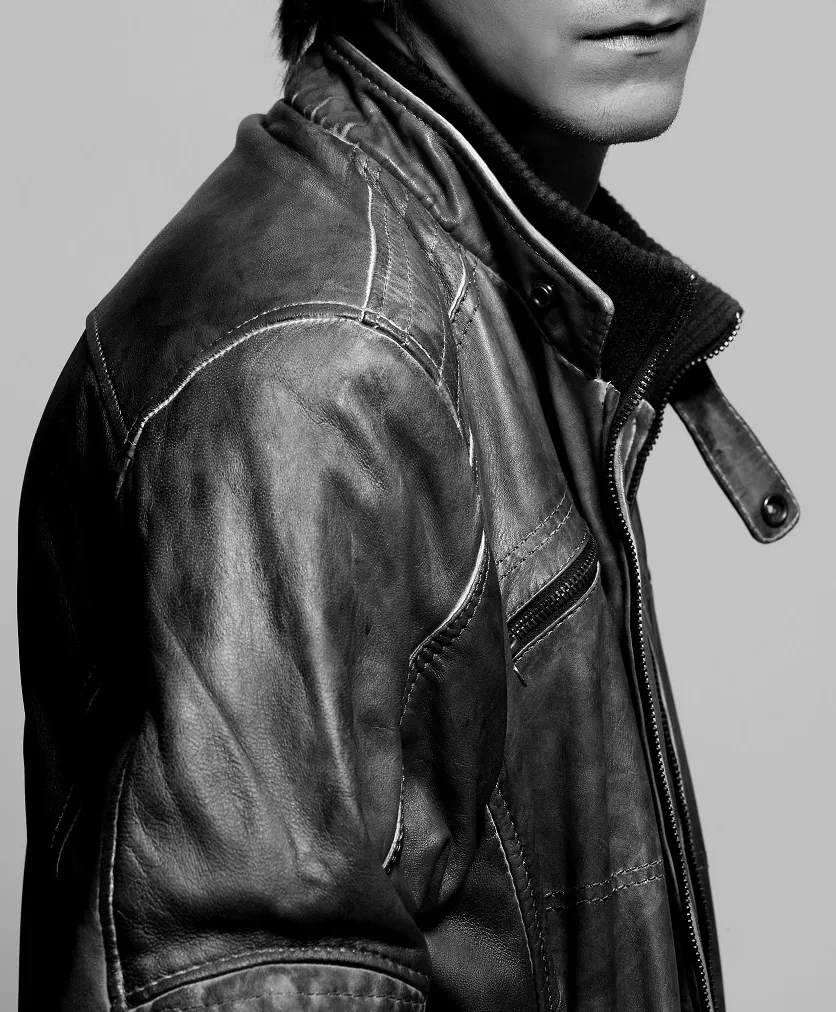
Understand What Leather Needs
Leather stays supple because of the natural oils and the tanning agents locked into its fibers. Over time, heat, sunlight, and dry air pull that moisture out, and the fibers start to stiffen and crack. Conditioning replaces the lost oils and keeps the fibers flexible. Cleaning removes the dirt, sweat, and body oils that break the fibers down from the surface. Storage keeps the shape intact between wears. These three jobs, cleaning, conditioning, and storage, are the whole of leather care, and none of them requires professional help for routine maintenance.
Different leathers need slightly different treatment. Smooth lambskin is soft and delicate and needs gentle products and light conditioning. Cowhide is thicker and tougher and tolerates heavier conditioner. Suede and nubuck are a separate category: they must never be treated with regular leather conditioner or water, and they need a suede brush and a suede protector spray instead. Check the label or ask the seller what leather your jacket is made from before you buy any care product. Using the wrong product is worse than using none, especially on suede.
Clean Without Damaging the Leather
For routine cleaning, wipe the jacket with a soft cloth dampened with cool water, then dry it immediately with a second clean cloth. This removes surface dust and light dirt without soaking the leather. For deeper dirt, use a cleaner made specifically for leather, applied with a soft cloth in small circles, and wipe it off before it dries on the surface. Never use household cleaners, bleach, baby wipes, or saddle soap on a fashion leather jacket unless the manufacturer recommends it. These products can strip dyes, dissolve finishes, and leave the leather dry and blotchy.
Rain is not an emergency. If your jacket gets wet, blot the water gently and let it air dry at room temperature away from radiators and direct sunlight. Do not use a hair dryer or hang it over a heater, because fast drying pulls moisture out of the fibers and causes stiffness and cracking. Stuff the sleeves and body loosely with clean towels while it dries so it keeps its shape. If the jacket gets soaked through, condition it after it dries, since a full soaking removes more of the natural oils than normal wear does.
Condition at the Right Time and Amount
Conditioning is the single most important leather care step. Apply a conditioner made for your leather type once or twice a year, or whenever the surface starts to look dull or feel dry. Test the conditioner on a hidden spot first, such as the inside of a hem, and wait a day to check for darkening or discoloration. Some conditioners darken leather slightly, which is usually fine on dark jackets but can change the look of a light tan or pale jacket. If the test spot darkens too much, choose a lighter conditioner or accept that your jacket will deepen in tone.
Apply conditioner sparingly with a soft cloth, working in thin, even layers over the whole jacket. More is not better:
- Excess conditioner sits on the surface
- Attracts dirt
- Can make the leather feel greasy
Let the first layer absorb for fifteen minutes, buff off any residue with a clean cloth, and add a second thin layer only if the leather still looks thirsty. Condition in a cool, ventilated room and let the jacket rest overnight before wearing it. A well-conditioned jacket should feel supple and look evenly rich, not shiny or sticky.
Store It So It Keeps Its Shape
Storage decides whether a leather jacket keeps its shape between seasons. Hang it on a wide, padded hanger that supports the shoulders, never on a thin wire hanger that creates points and dents. Keep it in a cool, dry place with good air circulation, and cover it with a breathable garment bag if you need to protect it from dust. Never store leather in plastic bags or sealed boxes, because trapped moisture encourages mold and mildew, which can stain leather permanently. If you live in a humid climate, check stored leather every few months for early signs of mold and wipe it off immediately if you find any.
Between wears, hang the jacket where it can air out rather than cramming it into a packed closet. Leather creases where it is pressed, so give it room. If the jacket develops creases from folding or sitting, hang it in a steamy bathroom for ten minutes and smooth the creases by hand, or let them relax naturally over a few wears. Never iron a leather jacket. With cleaning when dirty, conditioning once or twice a year, and thoughtful storage, a leather jacket will not just last decades. It will become the piece in your closet with the best stories in it.
Enjoyed this? How to Style Boots Under Wide Leg Pants: A Modern Guide picks up right where this leaves off.
Related Articles:
- How to Style Boots Under Wide Leg Pants: A Modern Guide
- Capsule Wardrobe: Simplify Your Style
- Best Outfits for Relaxed Wine Bars: A Guide to Effortless Style
Would you wear this look?
Tell us in the comments how you would style it your way.
Share this with a friend whose style you admire.