
Nothing ruins the look of a crisp black shirt faster than a chalky white streak under the arms. Deodorant stains show up on dark fabric because most antiperspirants contain aluminum compounds that mix with sweat, body oils, and fabric fibers to form a pale, crusty residue. The good news is that these marks are almost always removable, even when they have been building up for months. With the right method for the age of the stain, you can bring black shirts back to a clean, even finish without harsh chemicals or a trip to the dry cleaner.
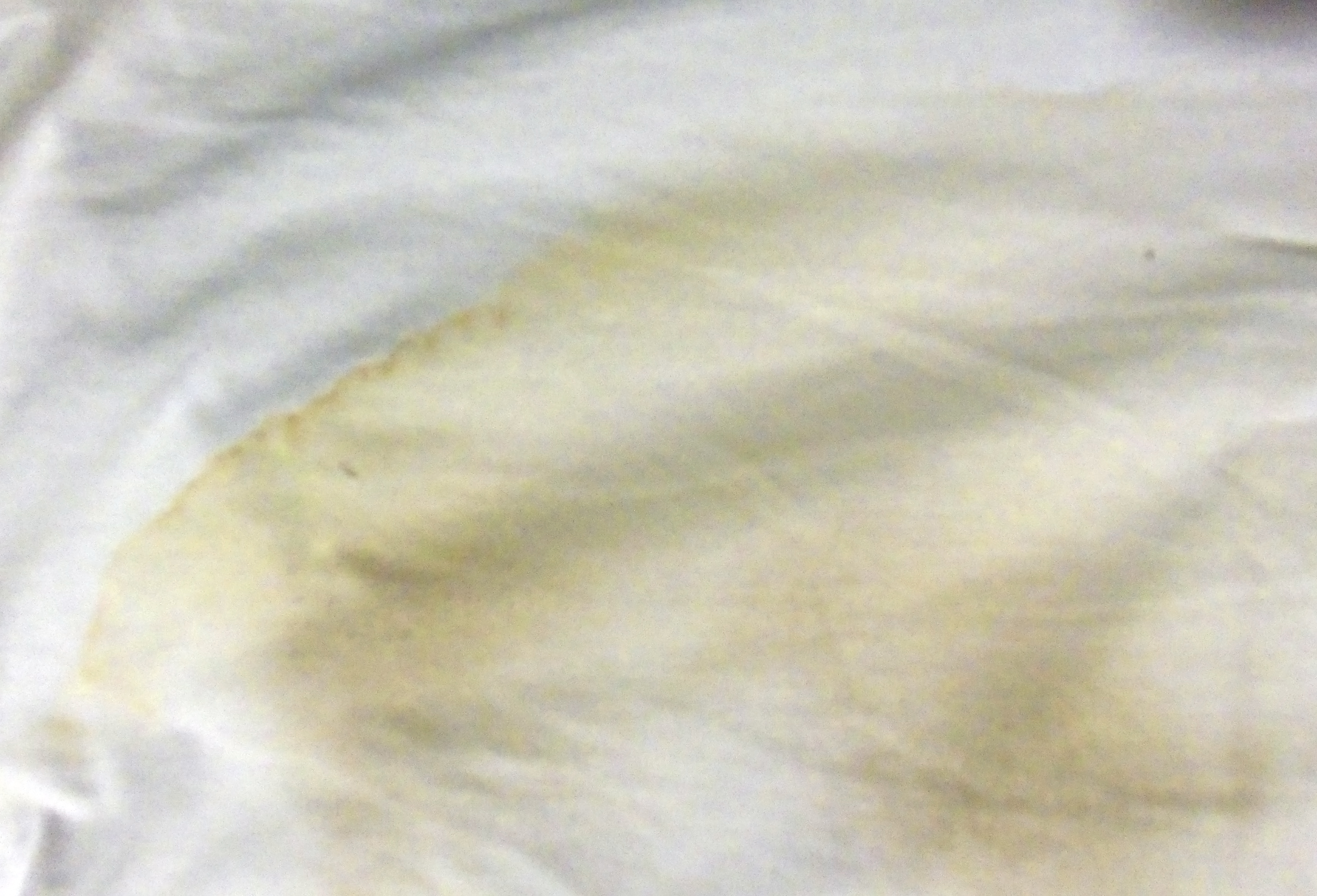
Why Deodorant Leaves White Marks on Black Fabric
Antiperspirants work by using aluminum salts to temporarily block sweat glands, and that same chemistry is what leaves residue on your clothes. When the product dries on skin and transfers to fabric, the aluminum binds with proteins in sweat and creates a waxy deposit. On light clothes this often appears as a yellow stain, while on black fabric it shows up as a white or gray film. The problem gets worse when shirts are washed in hot water, because heat can set the residue deeper into the fibers. Layering deodorant thickly, putting on a shirt before the product has dried, and skipping pre-treatment before washing all make the buildup worse over time.
Understanding the cause matters because it tells you what will actually dissolve the stain. The residue is a mix of mineral salts, oils, and dead skin, so a cleaner that only targets one of those parts will give partial results. You need something that breaks down oils and loosens mineral deposits at the same time. That is why simple tricks like rubbing the fabric or brushing it dry often fail: they remove the loose surface dust but leave the bonded layer underneath. A short soak in a gentle acidic or oxygen-based solution works far better because it attacks the stain from inside the fibers instead of just scraping the top.
The Quick Fix for Fresh Stains
If you notice the white mark right after getting dressed, act before the shirt goes into the laundry basket. Start by turning the shirt inside out and brushing the stained area lightly with a soft clothes brush or an old toothbrush to lift loose powder. Then rub the area with a small amount of plain white vinegar or lemon juice, which helps dissolve the aluminum residue. Let it sit for ten to fifteen minutes, then rinse with cool water and wash the shirt as usual. Cool water is important here, because hot water can lock the stain in place before the vinegar has done its job.
Deep Cleaning for Set-In Yellow and White Buildup
Stains that have survived several washes need a longer treatment. Mix a paste of baking soda and water, spread it over the stained area, and let it sit for thirty minutes. Baking soda is mildly abrasive and slightly alkaline, which helps lift the bonded residue without bleaching black fabric. After the paste has dried a little, scrub gently with a soft brush, rinse with cool water, and check the result before washing. For stubborn buildup, repeat the paste step once more rather than switching to a stronger chemical right away.
If the paste alone does not clear the stain, switch to an oxygen-based stain remover dissolved in cool water and soak the shirt for one to six hours. Oxygen cleaners break down organic residue without the color damage that chlorine bleach causes, so they are safe for black cotton, blends, and synthetics. Never use chlorine bleach on black shirts, since it will strip the dye and leave a faded patch that looks worse than the stain. After soaking, wash the shirt inside out in cool water with a mild detergent, and let it air dry so you can inspect the result in daylight before deciding whether another round is needed.
How to Stop Deodorant Stains Before They Start
Prevention is simpler than removal, and it starts with how you apply deodorant. Use a thin, even layer and give it two to three minutes to dry completely before putting on your shirt. Thick layers transfer far more product to fabric, and most people use more than they need. If you are prone to heavy buildup, consider switching to a clear gel or an aluminum-free deodorant, both of which leave much less residue on dark clothes. Wearing an undershirt also helps, since it catches most of the transfer and is easier to replace than a favorite black shirt.
Washing habits matter too. Treat the underarm area with a dab of liquid detergent or a stain pre-treater before every wash, and always wash black shirts in cool water. Turn them inside out so the detergent reaches the stained side directly, and skip the tumble dryer until you are sure the stain is gone, because dryer heat can set any remaining residue permanently. With these habits in place, black shirts stay dark and clean far longer, and the occasional stain that does appear will come out with a quick soak instead of a long battle.
Deodorant stains on black shirts look stubborn, but they respond well to patient, gentle treatment. Start with the mildest method that fits the age of the stain, give the cleaner time to work, and avoid heat and bleach. A few minutes of prevention each morning saves hours of stain fighting later, and your black shirts will keep their sharp, even color wash after wash.
Found a tip you liked here? The articles below have more of the same, starting with Sweat-Resistant Fabrics: Choosing the Right Clothing.
Related Articles:
- Sweat-Resistant Fabrics: Choosing the Right Clothing
- Crop Tops Modestly: Layering Tips & Outfit Ideas
- Road Trip Style: Clothing for Comfort & Fashion
Would you wear this look?
Tell us in the comments how you would style it your way.
Share this with a friend whose style you admire.