
Leather boots are an investment, and like any investment, they need care to hold their value. Dirt, salt, water, and daily wear slowly break down leather, leaving boots dull, cracked, and stiff. Cleaning and conditioning your boots at home is not difficult, and it can add years to their life. A basic cleaning routine takes about thirty minutes, and it makes the difference between boots that look worn out after one season and boots that look better with age. With a few simple supplies and a little patience, you can keep your leather boots looking their best.
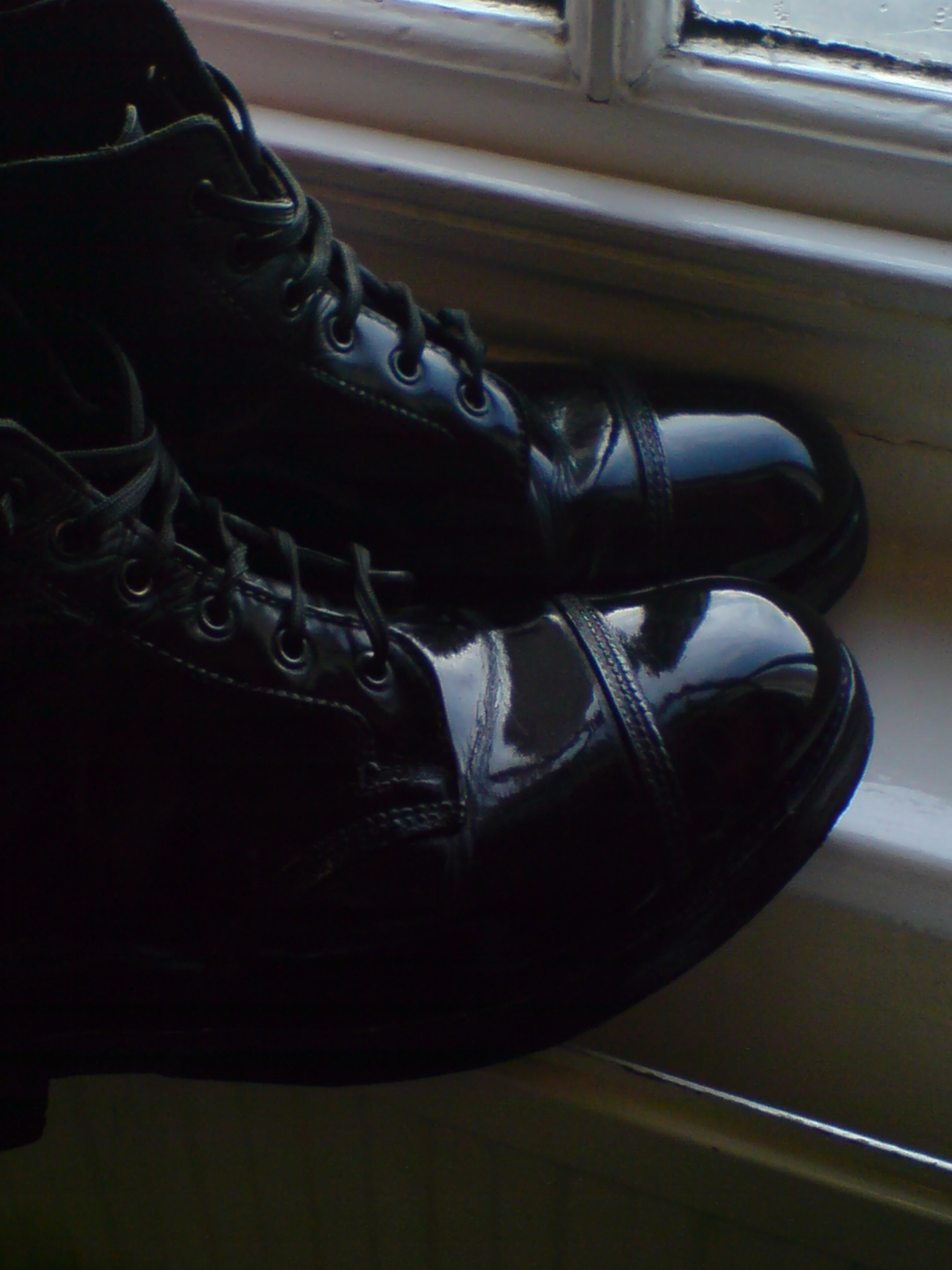
Gather Your Supplies
Before you start, gather everything you need:
- A soft brush
- A clean cloth
- Saddle soap or a mild leather cleaner
- Leather conditioner
- A water-resistant spray
Avoid household cleaners, since they can strip the natural oils from leather and cause cracking. A horsehair brush is ideal for removing dust and dirt, but any soft brush will work. Use separate cloths for cleaning and conditioning, so you do not transfer dirt back onto the leather.
Work in a well-ventilated area with a clean surface, and lay down an old towel to protect your workspace. Remove the laces from your boots before you start, since this lets you clean the tongue and the eyelets properly. Stuff the boots with newspaper or a boot tree to hold their shape while you work. Taking a few minutes to set up properly makes the whole process easier and gives you a better result.
Clean the Boots Thoroughly
Start by brushing off loose dirt and dust with a soft brush, working from the top of the boot downward. Pay attention to the seams, the welts, and the area around the sole, where dirt collects. For stubborn dirt, use a cloth dampened with water and a small amount of saddle soap. Work in small circles, and wipe away the soap with a clean, damp cloth. Do not soak the boots, since excess water can damage leather. Let the boots air dry away from direct heat, since radiators and hair dryers can dry out the leather and cause cracking.
For salt stains, which are common in winter, wipe the boots with a cloth dampened with a mixture of equal parts water and white vinegar. The vinegar dissolves the salt without harming the leather. Wipe the area again with a clean, damp cloth to remove the vinegar, and let the boots dry completely. Check the boots after they dry: if the salt stain is still visible, repeat the process once more before moving on to conditioning.
Condition and Protect the Leather
Once the boots are clean and dry, apply leather conditioner to restore the oils that cleaning removes. Put a small amount of conditioner on a clean cloth and work it into the leather in small circles, covering the entire boot. Pay extra attention to areas that bend and crease, like the toe and the ankle, since these areas dry out fastest. Let the conditioner absorb for twenty to thirty minutes, then buff the boots with a clean cloth to remove any excess and bring out a soft shine.
After conditioning, apply a water-resistant spray to protect the boots from rain and snow. Hold the spray about six inches from the boot and apply an even coat, then let it dry completely. For boots you wear in harsh weather, a beeswax-based protector provides stronger waterproofing, but it can darken light leather, so test it on a hidden area first. Conditioning and protecting your boots twice a year, in autumn and spring, is enough for most wearers.
Polish, Store, and Maintain
If you want a higher shine, apply a thin layer of shoe polish after conditioning, choosing a color that matches your boots. Work the polish in with a cloth, let it dry for ten minutes, and buff with a brush or a clean cloth. Polish adds color and shine, but it is optional: conditioned boots already look good without it. For suede or nubuck boots, skip the conditioner and polish entirely, and use a suede brush and a suede protector instead, since these materials need different care.
Store your boots properly to keep them in shape. Use boot trees or stuff them with newspaper to hold their form, and store them upright in a cool, dry place. Avoid storing boots in plastic bags, since leather needs to breathe. Check your boots every few months for signs of wear, like loose stitching or worn soles, and have them repaired promptly. Small repairs are cheap, while neglected damage can ruin a good pair of boots.
How often you condition depends on how often you wear the boots. Boots worn daily in harsh weather need conditioning every two or three months, while boots worn occasionally need it only twice a year. If the leather looks dull or feels stiff, it is time to condition, even if you conditioned recently. Leather tells you what it needs if you pay attention.
Cleaning and conditioning your leather boots at home is a simple routine that pays off for years. Brush away dirt, clean gently, condition the leather, and protect it from water. Your boots will look better, feel more comfortable, and last far longer than boots that are neglected. Take thirty minutes twice a year, and your leather boots will thank you with every step.
Take the next step when you are ready: Outfit Guides for Curvy Women: Confidence & Comfort is waiting below, along with more Fashion Tips reads.
Related Articles:
- Outfit Guides for Curvy Women: Confidence & Comfort
- Comfortable Driving Clothes: Tips for Long Road Trips
- Signature Style: Defining & Creating Your Own
Would you wear this look?
Tell us in the comments how you would style it your way.
Share this with a friend whose style you admire.