
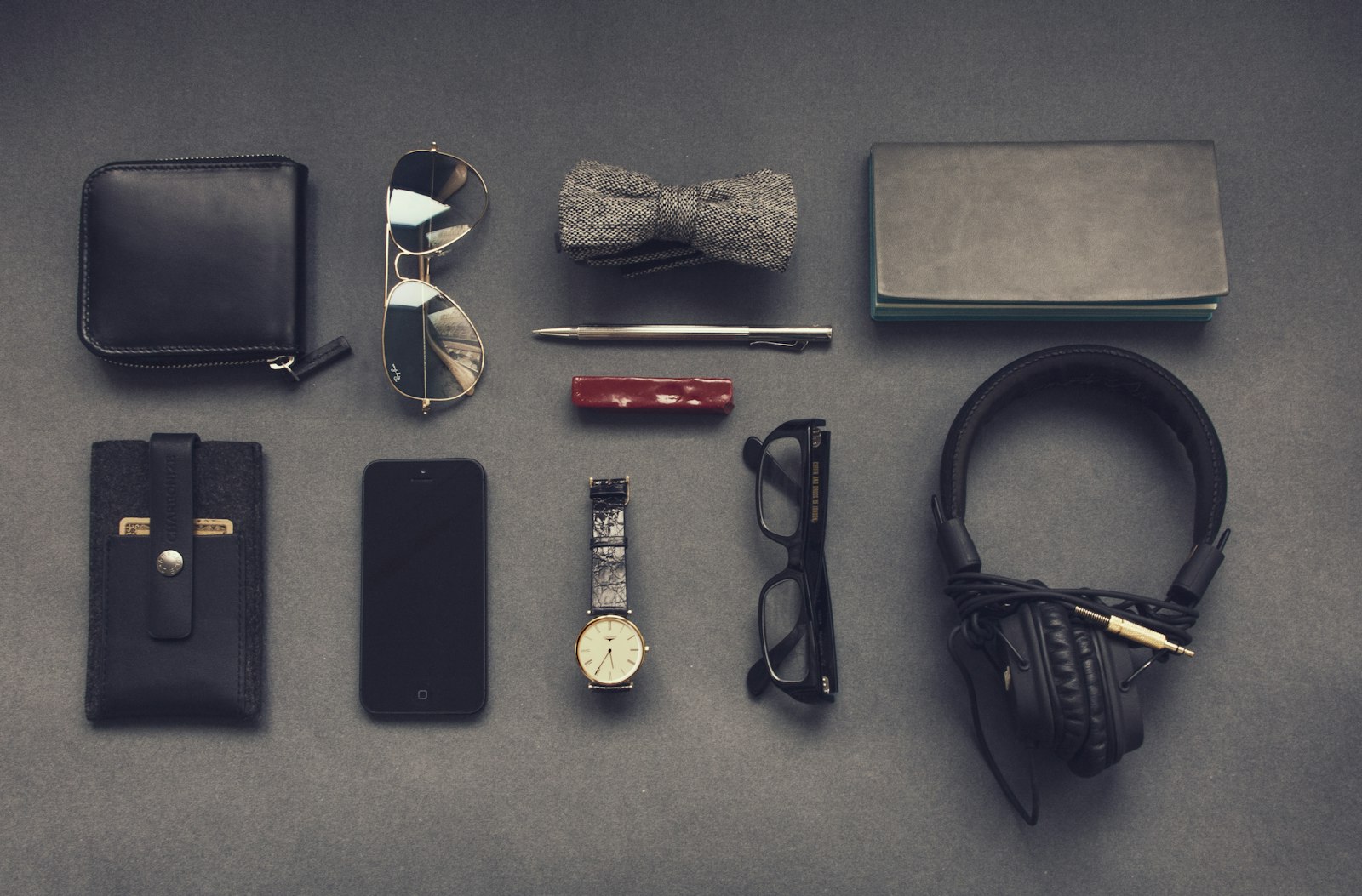
Pairing Leather Accessories: A Complete Guide to Timeless Style
Leather has long been a cornerstone of sophisticated dressing. From the rugged charm of a well-worn boot to the polished elegance of a structured handbag, leather adds a layer of texture, depth, and perceived value to any ensemble. However, the secret to looking put-together doesn’t lie in the price tag of the items, but in the art of coordination. When done correctly, leather accessories act as the glue that holds an outfit together, creating a visual harmony that signals attention to detail.
Many people struggle with the perceived ‘rules’ of leather. You may have heard that your belt must exactly match your shoes, or that mixing black and brown is a fashion crime. While these guidelines provide a helpful starting point for beginners, modern style is more about balance and intention than rigid adherence to old-school mandates. Understanding the nuances of tone, texture, and occasion allows you to move beyond simple matching and into the realm of true styling.

The Fundamental Rules of Color Coordination
Color is the most immediate visual cue when pairing leather. The goal is not necessarily to find an identical twin for every item you wear, but to ensure that the colors complement one another without competing for attention. The safest approach is to stay within the same color family.
The Classic Black Leather Approach
Black leather is the universal standard for formality. It is sleek, authoritative, and versatile. When wearing black leather shoes, a black leather belt is the most seamless choice. This creates a streamlined silhouette that doesn’t break the visual flow of the body. If you are wearing a black leather jacket, you can lean into a monochromatic look or use the leather as a sharp contrast against lighter fabrics like grey wool or white denim.

Navigating the Brown Spectrum
Brown is where most people encounter difficulty because the spectrum is so vast. You have everything from pale tans and honey hues to rich cognacs, chocolate browns, and deep mahoganies. The general rule is to match the ‘temperature’ and ‘depth’ of the browns.
- Light Browns (Tan, Honey): These are inherently more casual. Pair a tan belt with light brown loafers or desert boots. These shades work beautifully with blue denim, cream chinos, or olive greens.
- Mid-Tones (Cognac, Chestnut): These are the most versatile. Cognac leather often has an orange or reddish undertone that adds warmth to an outfit. Pair these with navy suits or grey trousers for a sophisticated, modern professional look.
- Dark Browns (Chocolate, Espresso): These are the closest alternatives to black in terms of formality. Dark brown leather pairs excellently with charcoal grey or deep forest green.
When coordinating brown leather, try to keep the saturation levels similar. Pairing a very pale tan belt with dark espresso shoes can create a jarring contrast that draws the eye to the waist in an unflattering way. Instead, aim for a subtle gradient or a close match to maintain a cohesive aesthetic as part of your personal style guide.

Understanding Texture and Finish
Beyond color, the finish of the leather dictates the ‘vibe’ of the outfit. Two items might be the same shade of brown, but if one is high-gloss patent leather and the other is rough-out suede, they may clash if not balanced correctly.
Smooth and Polished Leather
Smooth leather is the standard for professional environments. It reflects light more evenly and looks crisp. When pairing polished accessories, the goal is consistency. A polished oxford shoe paired with a smooth leather briefcase creates a look of competence and precision. This finish is best reserved for business meetings, weddings, and formal events.

Suede and Nubuck
Suede offers a softer, more matte appearance that absorbs light. This makes it inherently more casual and tactile. Suede is an excellent way to introduce texture into an outfit. For example, brown suede loafers paired with a smooth leather belt in a similar shade create a sophisticated contrast. Suede works exceptionally well with ‘soft’ fabrics like flannel, corduroy, and chunky knits.
Grained and Pebbled Leather
Grained leather (like pebbled or saffiano) is highly durable and has a visible texture. This is common in bags, wallets, and some belts. Because grained leather is more rugged, it pairs well with casual attire. If you are wearing a pebbled leather messenger bag, you don’t need your shoes to be pebbled; however, keeping the colors in the same family ensures the bag doesn’t look like an afterthought.

Balancing the Visual Weight of Accessories
Visual weight refers to how ‘heavy’ or ‘dominant’ an item looks. A thick, chunky leather belt with a massive buckle has a different visual weight than a slim, discreet dress belt. To achieve a balanced look, your accessories should share a similar scale.
The Rule of Proportions
If you are wearing heavy-duty combat boots or chunky lug-sole shoes, a thin, delicate belt will look out of place. The ruggedness of the footwear demands a belt with a similar width and thickness. Conversely, when wearing slim loafers or pumps, a thick work belt will overwhelm the delicacy of the shoes and make the outfit feel disjointed.
Bag Size and Outfit Volume
The size of your leather bag should complement the overall volume of your clothing. A massive leather tote bag paired with a slim-fit suit can look unbalanced. On the other hand, a tiny clutch paired with an oversized oversized wool coat might disappear visually. Aim for a balance where the accessory enhances the silhouette rather than distorting it. Incorporating the right essential wardrobe accessories can help you bridge the gap between different clothing volumes.
Pairing Leather with Metals and Hardware
Leather accessories often come with metal components—buckles, zippers, studs, and clasps. To elevate your look from ‘good’ to ‘expert,’ you should consider the metal coordination.
Matching Your Metals
While not as strict as the leather-to-leather color rule, matching metals creates a polished finish. If your belt buckle is silver, your watch strap’s buckle, your cufflinks, and the hardware on your bag should ideally be silver or a similar cool-toned metal (like platinum or white gold). Similarly, gold hardware pairs best with other gold or brass elements.
The Role of the Watch Strap
The watch is often the most overlooked leather accessory. For formal settings, your watch strap should match your shoes and belt. A black leather strap with black shoes is the safest bet. In more casual settings, you have more freedom. A brown leather strap can work with black shoes if the brown is dark enough, but generally, staying within the same color family is the most harmonious choice.
Occasion-Based Pairing Strategies
The context of your environment should dictate how strictly you follow pairing rules. What works for a weekend brunch will not work for a board meeting.
The Corporate Professional
In high-stakes professional environments, consistency is key. Stick to the classics: black or dark brown. Match your belt to your shoes exactly. Use smooth leather finishes. A black leather briefcase, black oxfords, and a black leather belt create a look of reliability and seriousness. There is very little room for experimentation here, as the goal is to minimize distractions and maximize professionalism.
The Smart Casual Blend
Smart casual is where you can start to play with textures and tones. This is the perfect opportunity to mix smooth leather with suede. Try pairing chocolate brown suede loafers with a smooth mahogany leather belt. This shows that you understand the rules but are confident enough to bend them. This approach fits perfectly within modern fashion trends where individuality is valued over rigid uniformity.
The Rugged Weekend Look
For casual outings, think about ‘utility.’ Distressed leather, matte finishes, and earth tones are your best friends. A pair of weathered brown leather boots paired with a wide leather belt and a canvas-and-leather backpack creates a cohesive, adventurous aesthetic. In this scenario, the leathers don’t need to match perfectly; in fact, a slight variation in brown tones can make the outfit look more authentic and lived-in.
Mixing Leather with Different Fabrics
Leather doesn’t exist in a vacuum; it interacts with the fabrics surrounding it. The contrast between the sheen of leather and the matte nature of cloth is what makes an outfit visually interesting.
Leather and Denim
Denim is the natural partner for leather. The ruggedness of denim complements the durability of leather. For a classic look, pair dark indigo denim with brown leather boots and a matching belt. For a more modern, edgy look, pair black skinny jeans with a black leather biker jacket and black boots.
Leather and Tailored Wool
The contrast between a structured wool suit and polished leather is the hallmark of traditional tailoring. To keep this look modern, avoid overly shiny leather. A matte or semi-gloss finish in dark brown or black provides a sophisticated anchor for navy, charcoal, or light grey wool.
Leather and Lightweight Linens
During summer, leather can feel heavy. The trick is to choose lighter colors and textures. Tan leather sandals or loafers paired with a thin tan leather belt and a linen shirt create a breezy, Mediterranean vibe. Avoid heavy black leather in the summer, as it can look visually ‘weighty’ and oppressive against light-colored linens.
Maintenance for Long-Term Coordination
Even the most perfectly paired accessories will look disjointed if one is well-maintained and the other is cracked and faded. Leather is an organic material that requires care to maintain its color and finish.
- Conditioning: Use a leather conditioner every few months to prevent the material from drying out and cracking. This keeps the color vibrant and the surface smooth.
- Polishing: For smooth leathers, regular polishing not only removes scuffs but also maintains the consistent sheen required for formal pairing.
- Suede Care: Use a suede brush to lift the nap and a protector spray to prevent water stains. Suede that has become ‘flat’ or greasy will not pair well with other accessories.
- Storage: Store leather bags with stuffing to maintain their shape and keep belts rolled or hung properly to avoid permanent creases.
Conclusion
Pairing leather accessories is an exercise in balance. While the basic rule of matching colors—specifically belts to shoes—remains a reliable foundation, the true art lies in the details. By considering the texture of the hide, the scale of the hardware, and the intent of the occasion, you can transform a simple outfit into a curated statement of style. Whether you prefer the timeless austerity of black leather or the warm versatility of brown tones, the key is intentionality. When your accessories speak the same visual language, you project a sense of confidence and cohesion that transcends fleeting trends.
Frequently Asked Questions
How to match brown leather shoes with different belt shades?
You do not need an exact color match, but you should match the ‘undertone’ and ‘intensity.’ If your shoes are a cool, dark chocolate brown, avoid a warm, orangey-tan belt. Instead, opt for a dark brown or medium brown belt. The goal is to ensure the two items don’t clash in temperature. If one is very light and the other very dark, it creates a visual break at the waist that can disrupt your silhouette.
Can you wear black and brown leather together?
In traditional formal wear, this is generally avoided. However, in modern casual or smart-casual styling, it can work if done intentionally. The key is contrast. Pairing a very dark espresso brown with black can look like a mistake. However, pairing a light tan leather accessory (like a watch strap or a small bag) with black shoes and a black belt can create a sophisticated, intentional contrast that adds depth to the look.
What leather accessories work best for a business casual look?
For business casual, aim for ‘refined but relaxed.’ Loafers or Derbies in cognac or mid-brown leather are ideal. Pair them with a matching smooth leather belt. A leather portfolio or a slim briefcase in a similar tone completes the look. Avoid overly rugged boots or heavy-duty belts with large buckles, as these lean too far into the casual category and lose the ‘business’ element of the dress code.
How to coordinate leather watch straps with other accessories?
Treat your watch strap as an extension of your footwear and belt. For formal events, a black strap with black shoes is mandatory. For casual wear, you have more flexibility, but staying within the same color family (e.g., brown strap with brown boots) is the safest bet. If you wear a metal bracelet watch, you have a ‘neutral’ that pairs with any leather color, making it the most versatile option for those who change shoe colors frequently.
Which leather finishes are best for daily wear?
Grained or pebbled leather is generally the best for daily use because it is more resistant to scratches and wear than smooth leather. Suede is beautiful but requires more maintenance and is susceptible to water damage, making it less ideal for rainy climates. For a balance of style and durability, a semi-matte smooth leather or a high-quality pebbled leather offers the best longevity and versatility for a daily wardrobe.